Hoya Pink: The Ultimate Guide to This Beautiful Plant
Hoya Pink is a beautiful and exotic plant that has been gaining popularity among plant enthusiasts. This plant is known for its unique pinkish color and its ability to bring a touch of nature into any space. With its unique properties, Hoya Pink is the perfect addition to any indoor garden or outdoor landscape.
In this article, we will explore everything you need to know about Hoya Pink. From its history and origin, to its care and maintenance, we will cover it all. So, if you're interested in learning more about this beautiful plant, read on!
History and Origin
Hoya Pink is a member of the Hoya family, which includes over 200 species of flowering plants. These plants are native to Southeast Asia, Australia, and the Pacific Islands. The Hoya Pink plant, in particular, is believed to have originated in Insia.
It was first discovered by European botanists in the early 19th century. The plant's unique pink color and fragrant flowers quickly caught the attention of plant enthusiasts around the world. Today, Hoya Pink is one of the most popular plants among collectors.
Characteristics and Varieties
Hoya Pink is a vine-like plant that produces clusters of small, pinkish-white flowers. The leaves of the plant are thick and waxy, with a glossy finish. The plant can grow up to 10 feet long, making it an excellent choice for hanging baskets or trellises.
There are several different varieties of Hoya Pink, each with its own unique characteristics. Some of the most popular varieties include:
- Hoya Australis
- Hoya Bella
- Hoya Carnosa
- Hoya Compacta
- Hoya Kerrii
Each variety has its own specific growing requirements, so it's important to do your research before purchasing a plant.
Care and Maintenance
Hoya Pink is a relatively low-maintenance plant, making it an excellent choice for beginners. Here are some tips to help you care for your Hoya Pink plant:
- Light: Hoya Pink prefers bright, indirect sunlight. Avoid placing the plant in direct sunlight, as this can cause the leaves to burn.
- Watering: Water your Hoya Pink plant when the top inch of soil feels dry to the touch. Be sure not to overwater the plant, as this can cause root rot.
- Soil: Hoya Pink prefers well-draining soil that is rich in organic matter. You can use a commercial potting mix or make your own by mixing equal parts peat moss, perlite, and vermiculite.
- Fertilizer: Feed your Hoya Pink plant with a balanced fertilizer every two weeks during the growing season (spring and summer).
- Temperature: Hoya Pink prefers temperatures between 60-80°F. Avoid exposing the plant to temperatures below 50°F.
With proper care, your Hoya Pink plant will thrive and produce beautiful flowers for years to come.
Propagation
Hoya Pink is a relatively easy plant to propagate. The most common method of propagation is stem cuttings. Here's how to do it:
- Cut a stem from the parent plant that has at least two nodes.
- Remove the lower leaves from the stem, leaving only the top two or three leaves.
- Dip the cut end of the stem into rooting hormone.
- Plant the stem in a pot filled with well-draining soil.
- Place the pot in bright, indirect sunlight and keep the soil moist.
- The cutting should root within a few weeks.
Once the cutting has rooted, you can transplant it into a larger pot and continue to care for it like you would any other Hoya Pink plant.
Pests and Diseases
Hoya Pink is relatively pest-free, but it can be susceptible to mealybugs and spider mites. To prevent these pests, keep your plant clean and free of debris. If you do notice an infestation, treat it with a commercial insecticide or a homemade solution of water and dish soap.
The most common disease that affects Hoya Pink is root rot, which is caused by overwatering. To prevent this, be sure to let the soil dry out between watering and avoid letting the plant sit in standing water.
Frequently Asked Questions
1. How often should I water my Hoya Pink plant?
You should water your Hoya Pink plant when the top inch of soil feels dry to the touch. Be sure not to overwater the plant, as this can cause root rot.
2. Does Hoya Pink need fertilizer?
Yes, Hoya Pink should be fed with a balanced fertilizer every two weeks during the growing season (spring and summer).
3. Can Hoya Pink be grown outdoors?
Yes, Hoya Pink can be grown outdoors in warm climates. However, it should be protected from direct sunlight and frost.
4. How often should I prune my Hoya Pink plant?
You should prune your Hoya Pink plant as needed to control its size and shape. Pruning can also encourage new growth and blooming.
5. How long does it take for Hoya Pink to bloom?
It can take several years for Hoya Pink to bloom for the first time. After that, the plant should produce flowers annually.
6. Can Hoya Pink be grown in a hanging basket?
Yes, Hoya Pink is an excellent choice for hanging baskets due to its vining habit.
7. How much light does Hoya Pink need?
Hoya Pink prefers bright, indirect sunlight. Avoid placing the plant in direct sunlight, as this can cause the leaves to burn.
8. How do I propagate Hoya Pink?
The easiest way to propagate Hoya Pink is through stem cuttings. Cut a stem from the parent plant that has at least two nodes, remove the lower leaves, and plant the stem in well-draining soil.
9. Can Hoya Pink be grown in water?
Yes, Hoya Pink can be grown in water using the hydroponic method. However, it may not grow as well as it would in soil.
10. Can Hoya Pink be grown indoors?
Yes, Hoya Pink is an excellent choice for indoor growing due to its low-maintenance requirements and beautiful flowers.
Hoya Pink is a beautiful and exotic plant that is sure to add a touch of nature to any space. With its unique pink color and fragrant flowers, this plant is a favorite among collectors and plant enthusiasts. By following the care tips outlined in this article, you can ensure that your Hoya Pink plant thrives and produces beautiful blooms for years to come.
12 Hoya pink Images

Hoya Parasitica Pink Flowers

Hoya Pubicalyx Pink Silver Plant

Hoya Archboldiana Pink

Hoya Archboldiana Pink Small Rooted In Moss Wax Flowers Unusual
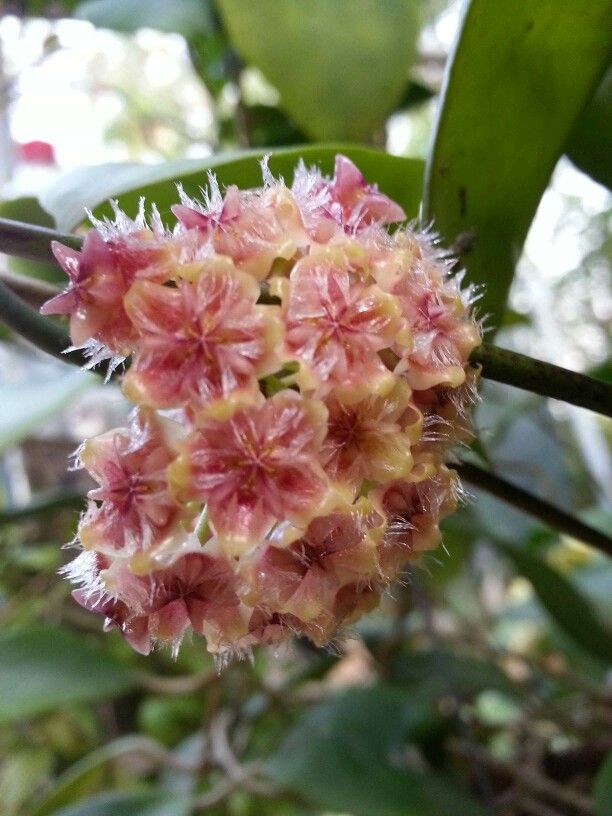
448 Best Hoya Images On Pinterest Succulents Hoya Plants And Wax Flowers

Pink Hoya Plant Hoya Plants Unusual Plants Plants

EPC997 Hoya Acuta Stable Pink Spot Splash On Cordate Leaves

Hoya Pink Flowers Flowers Rose

Hoya Scortechinii Pink

254 Hoya Pubicalyx Pink Silver Unusual Flowers Wax Flowers Hoya

Hoya Krinkle The Plant Farm Plant Decor Plants Diy Plants

Hoya Pubicalyx Pink Dragon Hoya Plants Pink Dragon Plants
Post a Comment for "Hoya Pink: The Ultimate Guide to This Beautiful Plant"